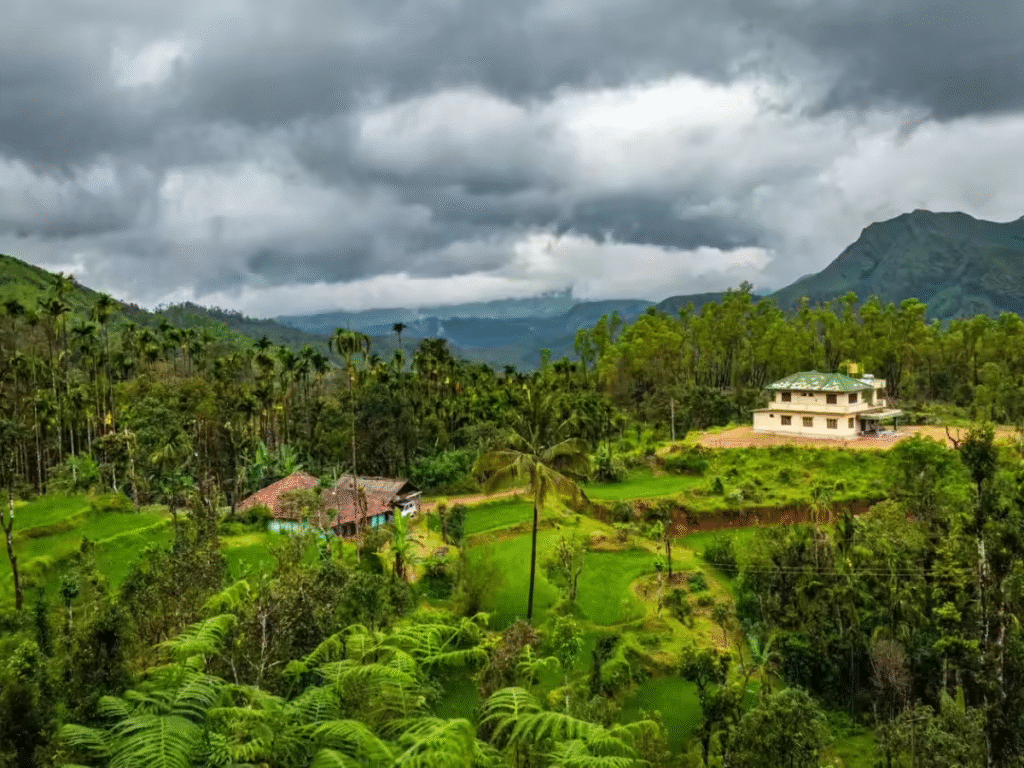
Nestled in the lush Western Ghats of Karnataka, Coorg, officially known as Kodagu, is a serene hill station famous for its misty hills, coffee plantations, rich culture, and breathtaking natural beauty. With its cool climate, emerald-green landscapes, and warm hospitality, Coorg is a perfect escape for nature lovers, honeymooners, and adventure seekers.
Introduction to Coorg
Coorg is one of the most beautiful hill destinations in South India. Located about 260 km from Bengaluru, this region is known for its rolling hills, dense forests, and spice estates. Often referred to as the “Scotland of India,” Coorg offers a peaceful atmosphere blended with cultural richness and thrilling experiences.
History of Coorg
The history of Coorg dates back several centuries. It was ruled by the Gangas, Kadambas, Cholas, Hoysalas, and later the Haleri dynasty. The British annexed Coorg in 1834, leaving behind colonial influences that can still be seen today.
Coorg has always been known for its brave warriors, and Kodavas have a strong military tradition, with many serving in the Indian Army. The history of Coorg, also known as Kodagu, is rich, layered, and deeply connected to its unique people, geography, and traditions. Nestled in the Western Ghats, Coorg’s isolation by dense forests and mountains helped preserve its distinct identity over centuries.
Ancient Period
Historical evidence suggests that Coorg was inhabited from ancient times. Early references to the region appear in Sangam literature, which mentions Kodagu as part of the ancient Tamil kingdoms.
Coorg was initially ruled by powerful South Indian dynasties such as
- Gangas (2nd–10th century CE)
- Kadambas
- Cholas
- Hoysalas
These rulers contributed to temple construction, agriculture, and administrative systems. Ancient temples and inscriptions in the region reflect Shaivite and Vaishnavite influences.
Formation of Kodava Identity
One of the most remarkable aspects of Coorg’s history is the formation of the Kodava community. The Kodavas developed a strong martial culture due to constant warfare and the need to protect their land.
Unlike many other South Indian communities, Kodavas did not follow the traditional caste system strictly and worshipped nature, ancestors, and weapons as sacred symbols.
Haleri Dynasty (1600–1834)
The most significant phase in Coorg’s political history began with the Haleri dynasty, founded by Veeraraja in the early 17th century.
- Muddu Raja (1633–1687) consolidated power and established Madikeri (then Mercara) as the capital.
- Dodda Veerarajendra expanded the kingdom and strengthened fortifications.
- Chikka Veerarajendra, the last ruler, was known for his authoritarian rule.
During this period, Coorg functioned as an independent kingdom with its own administrative system, army, and trade networks.
Relations with Tipu Sultan
Coorg faced repeated invasions by Hyder Ali and Tipu Sultan of Mysore in the late 18th century. Tipu Sultan attempted to annex Coorg and force religious conversions, leading to resistance from the Kodavas.
Many Kodavas were imprisoned or displaced, but local uprisings eventually weakened Mysorean control.
British Annexation (1834)
In 1834, the British East India Company annexed Coorg after defeating Chikka Veerarajendra. Coorg became a British province, administered directly rather than merged with Mysore.
British contributions included:
- Introduction of coffee plantations
- Development of roads and infrastructure
- Establishment of educational institutions
Coorg became one of India’s major coffee-producing regions during this era.
Coorg During India’s Freedom Struggle
Although Coorg was a small province, its people actively participated in the freedom movement.
After India gained independence in 1947, Coorg became a Part C State in 1950.
Merger with Karnataka
In 1956, under the States Reorganization Act, Coorg was merged with Mysore State (now Karnataka).
Despite the merger, Coorg retained its cultural uniqueness, traditions, and language.
Modern Coorg
Today, Coorg is a prominent tourist destination while preserving its historical essence. The martial tradition of Kodavas continues, with a strong presence in the Indian armed forces.
Historical sites like Madikeri Fort, Omkareshwara Temple, and ancestral homes (Ainmanes) stand as reminders of Coorg’s glorious past.
Culture and Traditions of Coorg
The native people of Coorg are called Kodavas, and their culture is unique and deeply rooted in tradition.
- Language: Kodava Takk and Kannada
- Traditional Dress: Kodava saree for women, kupya (robe) for men
- Festivals: Kailpodh, Puthari, Kaveri Sankramana
- Lifestyle: Strong connection to nature, agriculture, and ancestral homes (Ainmanes)
Hospitality is an integral part of Kodava culture, making visitors feel truly welcome.
Famous Places to Visit in Coorg
1. Abbey Falls
One of the most popular attractions, Abbey Falls is surrounded by lush coffee plantations. The roaring waterfall during the monsoon season offers a spectacular view.Abbey Valley, popularly known for the famous Abbey Falls, is one of the most scenic and refreshing natural attractions in Coorg (Kodagu), Karnataka. Located around 7 km from Madikeri, Abbey Valley is a lush green region surrounded by coffee plantations, spice estates, and dense forests, making it a must-visit destination for nature lovers and photographers.
Location and Overview
Abbey Valley lies in the heart of Coorg’s coffee belt. The area is known for its cool climate, mist-covered surroundings, and soothing natural beauty. The valley is named after the waterfall that flows through it, creating a picturesque setting especially during the monsoon season.
History of Abbey Valley
Originally known as Jesse Falls, Abbey Falls got its present name during the British era. The surrounding valley was developed by British planters, who introduced coffee cultivation in this region. Over time, the place became a popular retreat due to its serene environment and scenic charm.
Abbey Falls – The Main Attraction
Origin and Flow
Abbey Falls is formed by the Kaveri River, which cascades down rocky cliffs from a height of about 70 feet. The water flows through thick forests before plunging into the valley, creating a roaring and mesmerizing waterfall.
Seasonal Beauty
- Monsoon (June–September): Best time to see the waterfall at full force
- Post-Monsoon (October–February): Clear views and pleasant climate
- Summer (March–May): Reduced water flow but peaceful surroundings
Natural Surroundings
Abbey Valley is rich in biodiversity and covered with:
- Coffee, pepper, and cardamom plantations
- Thick bamboo and evergreen forests
- Chirping birds and occasional wildlife sightings
A hanging bridge near the falls allows visitors to experience the power and beauty of the cascading water up close.
Trekking and Walking Trails
The path to Abbey Falls includes a short walk through plantations and forested trails. The walk itself is refreshing and scenic, offering views of lush greenery and natural streams. The trail is easy and suitable for beginners.
Photography and Sightseeing
Abbey Valley is a paradise for photographers:
- Misty landscapes
- Lush green valleys
- Powerful waterfalls
- Sunlight filtering through dense trees
Early mornings and post-monsoon afternoons provide the best lighting for photography.
Best Time to Visit Abbey Valley
- Ideal Months: July to February
- Best Time of Day: Morning hours for fewer crowds and better views
- Avoid visiting during heavy rainfall due to slippery paths.
Entry Fee and Timings
- Timings: 9:00 AM – 5:00 PM
- Entry Fee: Nominal fee charged by local authorities (may vary)
Nearby Attractions
- Madikeri Fort
- Raja’s Seat
- Omkareshwara Temple
- Talacauvery
Travel Tips
- Wear comfortable footwear as paths can be slippery
- Avoid plastic; keep the area clean
- Follow safety instructions near the waterfall
- Visit early to avoid crowds during peak season
Why Visit Abbey Valley?
Abbey Valley offers a perfect blend of natural beauty, calm surroundings, and refreshing atmosphere. Whether you are exploring Coorg for the first time or revisiting, Abbey Valley remains one of the most unforgettable experiences in the region.
2. Talacauvery
The origin of the holy River Kaveri, Talacauvery is a sacred pilgrimage site located on the Brahmagiri hills.Talacauvery, also spelled Talakaveri, is one of the most sacred places in South India. Located in the Brahmagiri Hills of Coorg (Kodagu), Karnataka, Talacauvery is revered as the birthplace of the holy River Kaveri. Surrounded by misty mountains, dense forests, and serene landscapes, it is both a spiritual and natural retreat.
Location and Altitude
Talacauvery is situated about 48 km from Madikeri, at an altitude of approximately 1,276 meters (4,186 feet) above sea level. The drive to Talacauvery passes through lush greenery and winding hill roads, making the journey as beautiful as the destination.
Mythology and Religious Significance
According to Hindu mythology, Goddess Kaveri was born here as Lopamudra, the wife of Sage Agastya. It is believed that the river emerges from a sacred spring before flowing across Karnataka and Tamil Nadu.
- The spring is enclosed within a small temple complex
- Water from this spring flows underground and later reappears as the River Kaveri
- Taking a holy dip here is considered highly auspicious
Kaveri Sankramana Festival
One of the most important events at Talacauvery is Kaveri Sankramana, celebrated in October.
During this festival, it is believed that the holy spring overflows, symbolizing the rebirth of the river.
- Thousands of pilgrims gather for ritual bathing
- Special prayers and ceremonies are conducted
- It marks the beginning of the river’s annual flow cycle
Talacauvery Temple Complex
The temple complex includes:
- Kaveri Temple, dedicated to Goddess Kaveri
- Shrines of Lord Agastya, Lord Ganesh, and Lord Shiva
- Sacred kundike (water tank) where the spring emerges
The temple architecture is simple yet spiritually powerful, reflecting the serene nature of the place.
Brahmagiri Hill Viewpoint
A short trek or climb from the temple leads to the Brahmagiri Hill viewpoint, offering panoramic views of:
- Rolling hills of Coorg
- Mist-covered valleys
- Distant forests of the Western Ghats
On clear days, the view is breathtaking and peaceful.
Natural Beauty and Environment
Talacauvery is surrounded by:
- Evergreen forests
- Rare flora and fauna
- Cool mountain climate
The region is less commercialized, making it ideal for meditation, photography, and nature walks.
Best Time to Visit Talacauvery
- October to March: Pleasant weather and clear views
- Monsoon (June–September): Lush greenery but slippery paths
- Festival Time (October): Spiritually vibrant but crowded
How to Reach Talacauvery
- From Madikeri: By taxi or private vehicle
- Nearest Airport: Mangaluru
- Nearest Railway Station: Mysuru
The final stretch includes ghat roads, so careful driving is advised.
Travel Tips
- Wear modest clothing, especially for temple visits
- Carry warm clothes as it can be chilly
- Avoid plastic and respect the sacred environment
- Visit early morning for peaceful darshan and views
Why Visit Talacauvery?
Talacauvery is a rare destination where spiritual devotion meets untouched natural beauty. Whether you seek religious significance, scenic landscapes, or quiet reflection, Talacauvery offers a deeply enriching experience.
3. Raja’s Seat
A scenic viewpoint that once served as a favorite relaxation spot for Coorg kings. The sunset views here are mesmerizing.Raja’s Seat is one of the most iconic viewpoints in Coorg (Kodagu), Karnataka. Perched atop a hill overlooking the mist-filled valleys of the Western Ghats, Raja’s Seat is famous for its breathtaking sunsets, cool mountain breeze, and panoramic landscapes. This spot perfectly captures the natural charm and royal history of Coorg.
Location and Overview
Raja’s Seat is located in Madikeri town, making it one of the most easily accessible attractions in Coorg. The viewpoint faces west, offering uninterrupted views of rolling hills, deep valleys, and distant mountain ranges.
Historical Significance
Raja’s Seat literally means “Seat of the King.” During the reign of the Haleri dynasty, the kings of Coorg frequently visited this spot in the evenings to relax and enjoy the scenic beauty.
- The place served as a royal leisure point
- Kings and queens admired sunsets and cool winds
- It reflects the deep connection between Coorg’s rulers and nature
Later, during British rule, the area was developed into a landscaped garden, giving it its present form.
Natural Beauty and Scenic Views
Raja’s Seat offers mesmerizing views of:
- Mist-covered valleys
- Lush green hills of the Western Ghats
- Golden sunsets and cloudy skies
- Morning fog drifting through the landscape
The view changes with seasons, making every visit unique.
Garden and Musical Fountain
The Raja’s Seat complex includes a beautifully maintained garden with flowering plants and neatly laid walking paths.
- Musical fountain shows are held in the evenings
- Colorful lights enhance the garden atmosphere
- Popular among families and children
Best Time to Visit Raja’s Seat
- Sunset hours (5:30 PM – 7:00 PM) for golden views
- Early mornings for misty landscapes and peaceful surroundings
- October to March for clear weather and pleasant climate
Entry Fee and Timings
- Timings:
- Morning: 5:30 AM – 8:00 AM
- Evening: 4:30 PM – 7:30 PM
- Entry Fee: Nominal fee (may vary)
- Musical Fountain: Separate ticket may apply
Photography and Sightseeing
Raja’s Seat is a favorite spot for:
- Sunset photography
- Landscape shots
- Time-lapse videos
- Romantic evening walks
Tripods are usually allowed, but crowds are higher during weekends.
Nearby Attractions
- Madikeri Fort
- Omkareshwara Temple
- Abbey Falls
- Government Museum
Travel Tips
- Reach early to secure a good viewing spot
- Carry light jackets; evenings can be cool
- Avoid littering and maintain cleanliness
- Weekdays are less crowded than weekends
Why Visit Raja’s Seat?
Raja’s Seat combines royal heritage, natural beauty, and peaceful vibes. Whether you are a solo traveler, couple, or family, this viewpoint offers an unforgettable experience of Coorg’s landscapes.
Conclusion
Raja’s Seat is not just a viewpoint—it is a place where history, nature, and serenity come together. Watching the sun set behind the Western Ghats from this royal seat is a memory that stays forever.
4. Dubare Elephant Camp
Located on the banks of the River Kaveri, this camp allows visitors to interact with elephants and learn about their daily routines.Dubare Elephant Camp is one of the most popular eco-tourism attractions in Coorg (Kodagu), Karnataka. Located on the banks of the River Kaveri, this camp offers visitors a rare opportunity to observe, interact with, and learn about elephants in their natural habitat. Surrounded by dense forests and calm river views, Dubare Elephant Camp is an ideal destination for families, nature lovers, and wildlife enthusiasts.
Location and Overview
Dubare Elephant Camp is situated about 30 km from Madikeri and around 15 km from Kushalnagar. The camp lies within the Dubare Reserve Forest, which forms part of the Western Ghats biodiversity hotspot.
The camp is jointly managed by the Karnataka Forest Department and Jungle Lodges & Resorts, ensuring responsible and ethical tourism practices.
Historical Significance
Historically, Dubare was a training ground for elephants used in royal processions and forestry work. During the Mysore Kingdom era, elephants from Dubare were trained and supplied for Dasara celebrations in Mysuru.
Today, the camp focuses on conservation, awareness, and humane elephant care rather than commercial use.
Elephant Interaction and Activities
Elephant Bathing
One of the main attractions is watching mahouts bathe elephants in the River Kaveri.
- Visitors can observe elephants being scrubbed and washed
- Learn about elephant behavior and care
- Direct bathing by tourists may be restricted to protect animals
Feeding Sessions
Guests can:
- Feed elephants natural food like ragi balls, sugarcane, and fruits
- Learn about the elephant diet and nutrition
Educational Programs
Dubare Elephant Camp offers informative sessions on:
- Elephant history and conservation
- Mahout lifestyle and training techniques
- Elephant anatomy and daily routines
These programs make the visit educational as well as entertaining.
River Kaveri and Nature Walks
The calm flow of the River Kaveri adds charm to the camp. Visitors can enjoy:
- Riverbank walks
- Forest trails
- Bird watching and photography
The surrounding forest is home to deer, birds, butterflies, and occasionally wild elephants.
Activities for Visitors
- Guided jungle walks
- Coracle (round boat) rides (seasonal)
- Nature photography
- Eco-tourism experiences
Best Time to Visit Dubare Elephant Camp
- October to May: Best weather for activities
- Morning hours (9:00 AM – 11:00 AM): Ideal for elephant interactions
- Avoid monsoon months for river activities
Timings and Entry Details
- Timings: 9:00 AM – 5:00 PM
- Entry Fee: Nominal fee (varies for Indians and foreigners)
- Activities may have separate charges
Accommodation Near Dubare
- Jungle Lodges & Resorts (inside the camp)
- Homestays and resorts near Kushalnagar
Staying overnight allows deeper engagement with wildlife programs.
Travel Tips
- Follow forest department rules strictly
- Do not disturb or tease elephants
- Wear comfortable clothes and footwear
- Avoid plastic and littering
Why Visit Dubare Elephant Camp?
Dubare Elephant Camp offers a meaningful wildlife experience that blends education, conservation, and natural beauty. It allows visitors to connect with elephants respectfully while enjoying Coorg’s serene forest environment.
5. Mandalpatti
A hidden gem offering panoramic views of mist-covered hills, best accessed by jeep or trek.Mandalpatti is a stunning hilltop viewpoint located in the Brahmagiri range of Coorg (Kodagu), Karnataka. Famous for its sweeping panoramic views, rolling green hills, and dramatic cloud formations, Mandalpatti is often called the best sunrise and sunset point in Coorg. Its raw, untouched beauty makes it a favorite among photographers, nature lovers, and adventure seekers.
Location and Altitude
Mandalpatti is situated about 25–30 km from Madikeri, at an altitude of approximately 1,600 meters (5,249 feet) above sea level. The viewpoint lies deep inside forested terrain, which keeps the area peaceful and less commercialized.
Meaning and Local Significance
The name “Mandalpatti” comes from the local Kodava language:
- “Mandal” means cloud
- “Patti” means market or plain
Together, it roughly translates to “Market of Clouds,” perfectly describing the floating clouds and mist that surround the hilltop.
Natural Beauty and Landscape
Mandalpatti offers uninterrupted views of:
- Endless green hills of the Western Ghats
- Deep valleys covered in mist
- Clouds drifting below eye level
- Golden sunrise and fiery sunset skies
During monsoon and post-monsoon seasons, the landscape turns vibrant green, making the scenery magical.
How to Reach Mandalpatti
By Jeep (Recommended)
- The road from Madikeri becomes rough and steep near Mandalpatti
- Local jeeps operate from Mandapatti base point or Madikeri
- Jeep safaris are safe and popular
By Trekking
- A moderate trek of around 3–4 km
- Ideal for adventure lovers
- Trekking offers scenic forest trails and viewpoints
Best Time to Visit Mandalpatti
- October to March: Best visibility and pleasant climate
- Monsoon (June–September): Lush greenery and clouds, but slippery trails
- Early morning: Best for sunrise and cloud views
- Evening: Ideal for sunset lovers
Activities at Mandalpatti
- Sunrise and sunset viewing
- Landscape and nature photography
- Short hikes and exploration
- Peaceful relaxation amid nature
There are no shops or facilities at the top, preserving its raw beauty.
Entry Fee and Timings
- Entry Fee: Nominal forest entry fee (subject to change)
- Timings: Generally open from early morning to evening
- Jeep rides have separate charges
Photography and Travel Tips
- Carry a wide-angle lens for landscape shots
- Wear warm clothing, especially early morning
- Carry water and snacks
- Avoid littering and respect forest rules
- Avoid visiting during heavy rainfall
Nearby Attractions
- Abbey Falls
- Raja’s Seat
- Madikeri Fort
- Talacauvery
Why Visit Mandalpatti?
Mandalpatti is perfect for travelers seeking untouched nature, dramatic views, and peaceful isolation. Unlike crowded tourist spots, it offers a raw connection with Coorg’s hills and clo
6. Nagarhole National Park
A paradise for wildlife lovers, home to elephants, tigers, deer, and exotic birds.Nagarhole National Park, officially known as Rajiv Gandhi National Park, is one of the most famous wildlife reserves in South India. Located close to Coorg (Kodagu) and Mysuru in Karnataka, the park is renowned for its dense forests, rich biodiversity, and thrilling wildlife safaris. It forms an important part of the Nilgiri Biosphere Reserve, one of India’s largest protected forest areas.
Location and Area
Nagarhole National Park is spread across approximately 643 square kilometers and lies between the Kabini River and the Brahmagiri hills. The park shares its borders with Bandipur National Park and Wayanad Wildlife Sanctuary, creating a continuous forest corridor for wildlife movement.
History of Nagarhole National Park
Nagarhole was originally a hunting reserve of the Maharajas of Mysore. In 1955, it was declared a wildlife sanctuary, and later upgraded to a National Park in 1988.
In 1999, it was renamed Rajiv Gandhi National Park in honor of the former Prime Minister of India.
The transformation from a royal hunting ground to a protected forest reflects India’s growing commitment to wildlife conservation.
Forest Type and Landscape
The park is famous for its diverse forest cover, including:
- Moist deciduous forests
- Dry deciduous forests
- Teak and rosewood trees
- Bamboo thickets
- Grasslands and riverine forests
Seasonal streams and the Kabini River enhance the scenic beauty and support wildlife.
Wildlife at Nagarhole National Park
Mammals
Nagarhole is home to a wide variety of animals, including:
- Bengal Tiger
- Asian Elephant
- Indian Leopard
- Sloth Bear
- Gaur (Indian Bison)
- Sambar Deer
- Chital (Spotted Deer)
- Wild Dogs (Dholes)
The park has one of the highest tiger densities in India.
Birdlife
With over 270 species of birds, Nagarhole is a birdwatcher’s paradise:
- Malabar Trogon
- Crested Serpent Eagle
- Grey-headed Fish Eagle
- Indian Roller
- Hornbills
- Kingfishers
Reptiles and Amphibians
- King Cobra
- Indian Rock Python
- Monitor Lizard
- Frogs and tree amphibians
Safari Experience
Jeep Safari
- Conducted by the Forest Department
- Offers deeper forest access
- Best chance for spotting large mammals
Bus Safari
- Safer and budget-friendly
- Ideal for families
Boat Safari (Kabini Backwaters)
- Unique wildlife viewing along the river
- Excellent for bird photography and elephants
Best Time to Visit Nagarhole
- October to March: Best overall wildlife sightings
- Summer (April–May): Higher chances of spotting animals near water sources
- Monsoon (June–September): Lush greenery, but safaris may be limited
Safari Timings
- Morning Safari: 6:00 AM – 9:00 AM
- Evening Safari: 3:00 PM – 6:00 PM
(Timings may vary seasonally)
Accommodation Options
- Forest lodges and eco-resorts
- Kabini River lodges
- Homestays near Coorg and Hunsur
Staying nearby increases chances of early morning and late evening sightings.
Rules and Responsible Tourism
- No private vehicles inside the core zone
- Silence must be maintained during safaris
- No feeding or disturbing animals
- Plastic is strictly prohibited
Why Visit Nagarhole National Park?
Nagarhole offers an unmatched blend of dense forests, rich wildlife, and scenic landscapes. It is one of the best places in South India to experience wildlife ethically and responsibly.
Coffee Plantations of Coorg
Coorg is one of India’s largest coffee-producing regions. A walk through the aromatic coffee estates is a must-do experience. Many homestays offer guided plantation tours, allowing visitors to learn about coffee cultivation and processing.The coffee plantations of Coorg (Kodagu) are not just agricultural estates—they are the heart and identity of the region. Spread across rolling hills, misty valleys, and forested slopes, Coorg’s coffee estates fill the air with a rich aroma and offer visitors a peaceful, immersive experience in nature. Coorg is one of India’s largest and finest coffee-producing regions, known globally for its high-quality beans.
History of Coffee in Coorg
Coffee was introduced to Coorg in the 19th century during British rule. The British planters recognized Coorg’s ideal climate—cool temperatures, high rainfall, and fertile soil—as perfect for coffee cultivation.
Over time:
- Coffee replaced many traditional crops
- Local Kodava families adopted plantation farming
- Coorg emerged as a major coffee hub of South India
Today, coffee farming is passed down through generations and deeply woven into Kodava culture.
Types of Coffee Grown in Coorg
Coorg mainly grows shade-grown coffee, which enhances flavor and preserves biodiversity.
1. Arabica
- Smooth, mild flavor
- Grown at higher altitudes
- Sensitive to climate changes
2. Robusta
- Strong, bold taste
- Higher caffeine content
- More resistant to pests and diseases
- Dominant variety in Coorg
Shade-Grown Coffee System
Coorg’s coffee is cultivated under a natural canopy of trees, including:
- Silver oak
- Fig trees
- Jackfruit
- Pepper vines climbing alongside coffee plants
This system:
- Protects coffee plants from harsh sunlight
- Supports wildlife and birds
- Maintains soil fertility
Coffee Plantation Walks and Tours
One of the best experiences in Coorg is a guided plantation walk.
Visitors can:
- Learn about coffee cultivation cycles
- See coffee cherries during harvest season
- Understand processing methods (wet and dry)
- Interact with estate owners and workers
Many homestays and resorts offer plantation tours as part of their stay.
Coffee Harvesting Season
- Harvest Season: November to February
- Red, ripe cherries are hand-picked
- Processing includes pulping, drying, and curing
- Freshly brewed plantation coffee is often served to guests
This is the best time to visit plantations for an authentic experience.
Coffee Processing Methods
- Wet Processing: Enhances acidity and aroma
- Dry Processing: Produces a fuller body and earthy flavors
Traditional and modern techniques are used across estates.
Coffee and Kodava Lifestyle
Coffee plantations influence daily life in Coorg:
- Estates often surround ancestral homes (Ainmanes)
- Families manage both agriculture and hospitality
- Plantation life promotes slow, peaceful living
Coffee is also a symbol of pride and heritage for Kodavas.
Flora, Fauna, and Biodiversity
Coffee plantations support rich biodiversity:
- Birds like hornbills and sunbirds
- Small mammals and butterflies
- Spices like pepper, cardamom, and vanilla
This makes plantation walks ideal for nature lovers and birdwatchers.
Best Time to Visit Coffee Plantations
- October to March: Ideal for walks and harvest views
- Monsoon (June–September): Lush greenery, romantic atmosphere
- Summer (April–May): Pleasant mornings and evenings
Why Visit Coffee Plantations in Coorg?
A visit to Coorg’s coffee plantations offers:
Cultural connection with Kodava families
Peaceful natural surroundings
Insight into traditional farming
Freshly brewed local coffee
Cuisine of Coorg – A Taste of Kodava Heritage
The cuisine of Coorg (Kodagu) is as distinctive and rich as its culture and landscape. Deeply influenced by the region’s forest produce, spice plantations, and martial traditions, Kodava cuisine is bold, aromatic, and flavorful. It relies heavily on local spices, wild ingredients, rice-based staples, and meat preparations, making it one of the most unique regional cuisines in South India.
Origins and Culinary Influences
Kodava cuisine evolved in a mountainous, forested environment where:
- Locally grown spices were abundant
- Hunting and livestock farming were common
- Rice was the primary staple
Unlike typical South Indian food, Kodava dishes use minimal coconut and tamarind, focusing instead on vinegar, pepper, kachampuli, and dry spices.
Signature Ingredient: Kachampuli
One of the most distinctive ingredients in Coorg cuisine is Kachampuli—a sour vinegar extracted from the fruit of the Garcinia tree.
- Adds a deep tangy flavor
- Used mainly in non-vegetarian dishes
- Acts as a natural preservative
Kachampuli gives Coorgi dishes their unique taste and aroma.
Famous Dishes of Coorg
1. Pandi Curry (Coorgi Pork Curry)
The most iconic dish of Coorg.
- Made with pork, black pepper, spices, and kachampuli
- Dark, rich gravy with a bold flavor
- Traditionally served with kadambuttu or rice
2. Kadambuttu (Rice Dumplings)
A staple food in Kodava homes.
- Steamed rice dumplings
- Soft, fluffy, and mildly flavored
- Perfect accompaniment to spicy curries
3. Noolputtu (String Hoppers)
- Rice noodles served with curries or coconut milk
- Popular for breakfast or dinner
4. Koli Curry (Chicken Curry)
- Prepared with roasted spices and minimal oil
- Rich, earthy flavor
- Often made during festivals and family gatherings
5. Bamboo Shoot Curry (Baimbale Curry)
- Made using tender bamboo shoots
- Seasonal delicacy
- Lightly sour and aromatic
6. Akki Rotti
- Rice-based flatbread
- Served with curries or chutneys
- Common breakfast dish
Vegetarian Dishes of Coorg
Though known for meat dishes, Coorg cuisine also includes flavorful vegetarian options:
- Thambuttu (sweet made from bananas and jaggery)
- Puttu Payasa (rice pudding)
- Vegetable curries with forest greens
- Seasonal mushroom preparations
Spices Used in Coorg Cuisine
Coorg dishes are known for their spice blends, including:
- Black pepper (locally grown)
- Cardamom
- Cloves
- Cinnamon
- Cumin
- Coriander seeds
Spices are often dry-roasted to enhance aroma.
Traditional Cooking Style
- Food is cooked slowly over low flame
- Stone grinders are used for spice pastes
- Meals are hearty and balanced
- Cooking follows seasonal availability
Kodava meals are usually served on plates rather than banana leaves.
Coorgi Coffee and Beverages
No Coorg meal is complete without filter coffee made from locally grown beans.
Other traditional drinks include:
- Herbal forest infusions
- Homemade wine (festival occasions)
Festive Food and Customs
During festivals like Puthari and Kailpodh, special dishes are prepared:
- Large meat feasts
- Community meals
- Sharing food with neighbors and relatives
Food plays a central role in Kodava hospitality.
Where to Experience Authentic Coorg Cuisine
- Homestays run by Kodava families
- Local eateries in Madikeri and Kushalnagar
- Plantation stays and eco-resorts
Homestays offer the most authentic experience.
Why Try Coorg Cuisine?
Coorg cuisine offers:
- Bold and unique flavors
- Deep cultural connection
- Traditional cooking techniques
- A perfect blend of spice and simplicity
Conclusion
The cuisine of Coorg is a celebration of its land, people, and heritage. Each dish tells a story of tradition, nature, and hospitality. Tasting Kodava food is not just a meal—it’s an unforgettable cultural experience.
Best Time to Visit Coorg
- October to March: Best weather for sightseeing
- June to September: Monsoon season, ideal for nature lovers and waterfalls
- April to May: Pleasant climate, perfect for summer vacations
How to Reach Coorg
- By Air: Nearest airport – Mangaluru (160 km)
- By Train: Nearest railway stations—Mysuru and Hassan
- By Road: Well-connected by road from Bengaluru, Mysuru, and Mangaluru
Why Visit Coorg?
Coorg is a destination that offers natural beauty, cultural richness, adventure, and relaxation all in one place. Whether you want to explore misty hills, enjoy plantation stays, taste authentic cuisine, or simply unwind in nature, Coorg promises a memorable experience.
Conclusion
Coorg is more than just a hill station—it is a land of traditions, forests, coffee aroma, and warm-hearted people. A visit to Coorg rejuvenates the soul and leaves travelers with unforgettable memories.
1. Book Tour Packages Online
You can book complete Coorg tour packages that include travel, hotel, sightseeing, and local transport:
🌐 Online Tour Portals
- TravelTriangle – customizable Coorg packages (3 days/2 nights with hotel and transfers) with online quotes and bookings. TravelTriangle.com
- Trawell.in – lots of Coorg holiday packages with price options and instant booking. Trawell.in
- AvaniHolidays – Coorg tour packages from different Indian cities with flight/train + hotel + taxi options. Avaniholidays
These portals let you compare prices, customize itineraries, and pay securely online.
2. Book Through Local Travel Agents
If you want customized local help or group tours, you can contact travel agents and tour operators based in Coorg:
Travel & Tour Agencies in Coorg
- Coorg Travel World – bus/train/hotel bookings. Justdial
- ShriNidhi Tours & Travels – local operator for packages and sightseeing. Justdial
- Coorg Holiday & Travel Agents – hotel + transport + trip planning. Justdial
- Many others like AMG Tours, One Tours & Travels, Skyway International Travels, etc. Justdial
You can call or WhatsApp them directly to discuss dates, number of travelers, and budget.
3. Book Transport Tickets
✈️ Flights:
Book flights to the nearest airports:
- Mangaluru Airport (IXE) – about 160 km away
- Kannur Airport (CNN) – another good option
Use flight booking apps/portals like MakeMyTrip, Goibibo, Cleartrip, Yatra or airline websites.
🚌 Bus Tickets:
- You can book KSRTC and private buses to Coorg via portals like MakeMyTrip (bus section). MakeMyTrip
- Enter your departure city and Coorg (Madikeri) as destination to choose buses.
🚆 Trains:
No direct train to Coorg — the nearest stations are Mysuru or Hassan. Book via IRCTC or travel apps.
📌 Tip: For popular travel times (weekends/holidays), book tickets and buses in advance.
4. Book Hotels & Homestays
🏨 Online Hotel Booking
- Use Booking.com, Agoda, Airbnb, MakeMyTrip, Goibibo to find stays in Madikeri, Kushalnagar, or plantations.
- You can filter by price, ratings, and amenities, and pay online or at hotel.
🍃 Plantation Stays & Homestays
- Search Airbnb or local homestay websites for coffee estate stays.
- Many homestays offer pickup from bus stops or KSRTC stand.
📌 Always check reviews and cancellation policies before booking.
5. Local Transport & Sightseeing
🚕 Cabs & Jeep Safaris
- You can pre-book taxis or jeeps for Mandalpatti, Dubare, and other places through operators in Coorg. Justdial
- Many hotels and homestays can also help arrange local transport after you arrive.
🚶 On Arrival
- At Madikeri bus stand or station, you’ll find local taxi stands with cars for hire if you didn’t pre-book. (Reddit travelers confirm taxis are available at stands). Reddit
Tips for Booking
✅ Plan early: Popular dates fill up fast, especially in peak season (Oct–Mar).
✅ Use trusted portals: Avoid scams — book through official travel sites or well-reviewed agents. The Times of India
✅ Compare prices: Check multiple sites before locking in.
Example Booking Steps (Simplified)
- Search flight/bus/train to your nearest city to Coorg (Bengaluru/Mangaluru/Mysuru) and book.
- Use an online portal or local agent to book a Coorg tour package.
- Book hotel/homestay online.
- Arrange local transport with your agent or on arrival.
Why We Visit Coorg (Kodagu)
Coorg, also known as Kodagu, is one of the most beautiful hill destinations in South India. Surrounded by misty hills, coffee plantations, forests, and waterfalls, Coorg offers the perfect blend of nature, culture, adventure, and relaxation. It is a place where peace meets beauty, making it ideal for all types of travelers.
1. Scenic Natural Beauty
Coorg is famous for its:
- Lush green hills and valleys
- Mist-covered landscapes
- Waterfalls like Abbey Falls
- Forests of the Western Ghats
Every season paints Coorg in a different shade of green, making it a visual treat.
2. Famous Coffee Plantations
Coorg is one of India’s top coffee-producing regions. Walking through aromatic coffee estates and sipping freshly brewed Coorg coffee is a unique experience you won’t find elsewhere.
3. Pleasant Climate All Year
With cool temperatures and fresh mountain air, Coorg is a perfect escape from city heat. Even summers are pleasant, making it a year-round destination.
4. Rich Culture and History
Coorg has a unique Kodava culture, different from other South Indian regions.
- Brave warrior traditions
- Distinct festivals like Puthari and Kailpodh
- Traditional dress, cuisine, and customs
Historical places like Madikeri Fort reflect Coorg’s royal past.
5. Wildlife and Nature Experiences
Coorg is close to famous wildlife destinations such as:
- Nagarhole National Park
- Dubare Elephant Camp
These places offer ethical wildlife experiences, jungle safaris, and nature walks.
6. Spiritual and Peaceful Destinations
Coorg is home to sacred sites like:
- Talacauvery (origin of River Kaveri)
- Ancient temples and hilltop shrines
Perfect for spiritual seekers and peaceful retreats.
7. Adventure and Trekking
For adventure lovers, Coorg offers:
- Trekking at Mandalpatti and Brahmagiri hills
- Jeep safaris
- River activities on the Kaveri
8. Unique and Flavorful Cuisine
Coorg’s cuisine is rich and bold:
- Pandi Curry
- Kadambuttu
- Bamboo shoot curry
- Authentic filter coffee
Food lovers find Coorg a true delight.
9. Ideal for All Types of Travelers
Coorg is perfect for:
- Honeymoon couples
- Family vacations
- Solo travelers
- Nature photographers
10. Peaceful Escape from City Life
Away from noise and crowds, Coorg offers:
- Calm environment
- Fresh air
- Slow and relaxed lifestyle
It’s a perfect place to refresh the mind and soul.
Conclusion
We visit Coorg because it offers natural beauty, rich culture, delicious food, wildlife, and peace—all in one destination. Whether you seek adventure, relaxation, spirituality, or romance, Coorg welcomes every traveler with open arms.