Jaipur : The Pink city
History:
Jaipur, the capital of Rajasthan, was founded in 1727 by Maharaja Sawai Jai Singh II, the ruler of Amber. He wanted to build a new city because the old capital, Amber, faced water scarcity and had limited space for the growing population.
The city was carefully planned by Vidydhar Bhattacharya, a renowned architect, following the principles of Vastu Shastra (Indian architectural science) and Shilpa Shastra. This made Jaipur one of the first planned cities of India.
The city is famously called the “Pink City” because in 1876, the walls and buildings were painted pink to welcome the Prince of Wales (later King Edward VII). Since then, the pink color has become a symbol of hospitality and tradition.
Jaipur has been home to magnificent forts, palaces, and markets, reflecting the glory of Rajput rulers. Today, it is part of India’s Golden Triangle Tourist Circuit (with Delhi and Agra) and is recognized as a UNESCO World Heritage City (2019).
Timeline of Jaipur’s History
- Pre-1727 – Amber (11 km from Jaipur) was the capital of the Kachwaha Rajputs under Raja Man Singh and later rulers.
- 1727 – Maharaja Sawai Jai Singh II founded Jaipur as the new capital due to water scarcity and population growth in Amber.
- 1727–1734 – Construction of Jaipur began under architect Vidydhar Bhattacharya, based on Vastu Shastra and Shilpa Shastra.
- 1729 – City Palace completed as the royal residence.
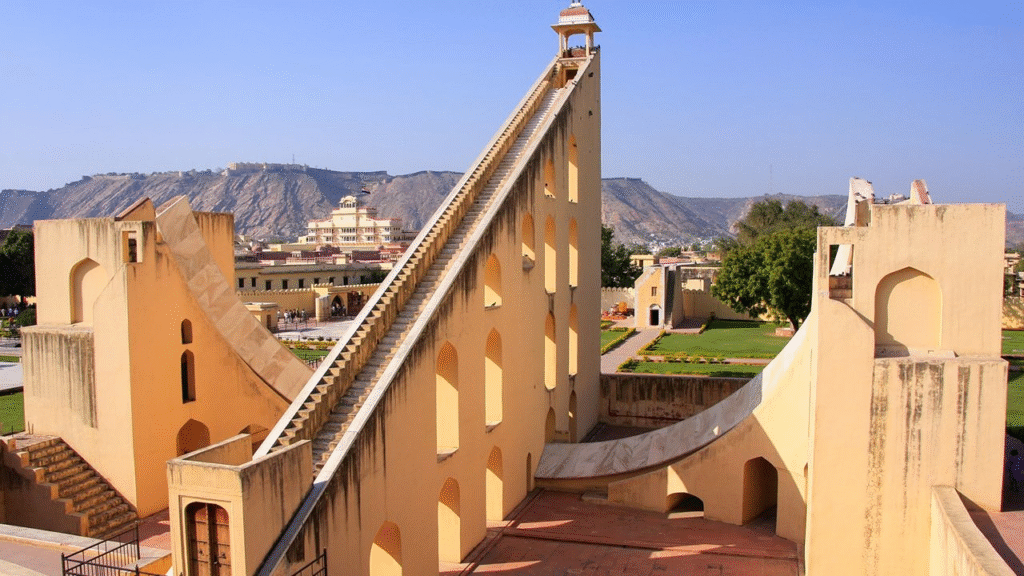
- 1734 – Jantar Mantar (astronomical observatory) built by Jai Singh II, now a UNESCO World Heritage Site.
- 1727–1750 – Jaipur established as one of the first planned cities in India with wide roads, grid layout, and fortified walls.
- 1803 – Jaipur came under the protection of the British East India Company but retained its princely status.
- 1876 – The city was painted pink to welcome the Prince of Wales (later King Edward VII), giving Jaipur its famous nickname “The Pink City.”
- 1947 – After India’s independence, Jaipur merged with Jodhpur, Jaisalmer, and Bikaner to form Greater Rajasthan.
- 1956 – Jaipur officially became the capital of Rajasthan.
- 2019 – Jaipur declared a UNESCO World Heritage City for its cultural and architectural legacy.
Here are some old images of jaipur
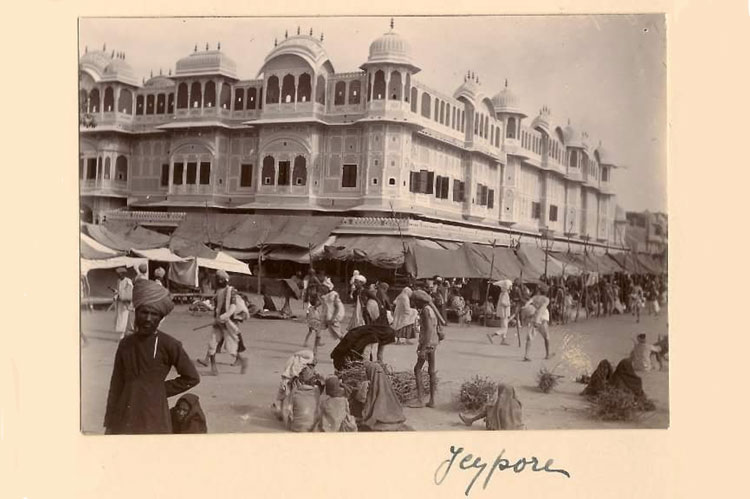
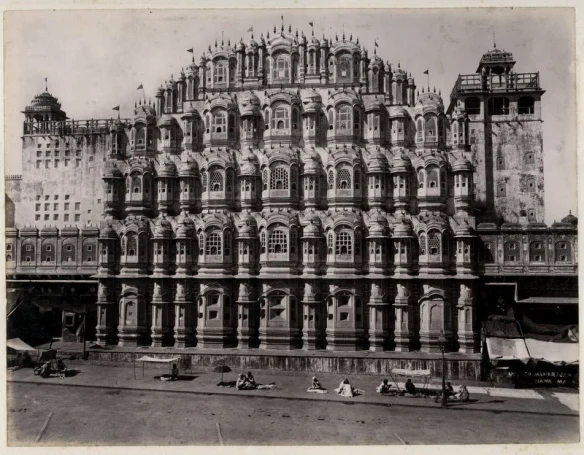
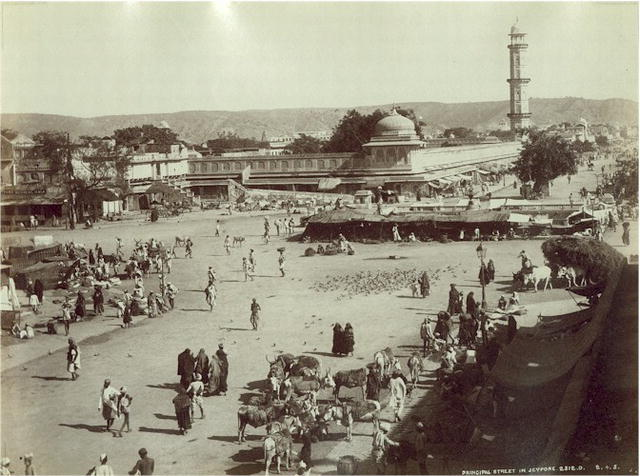
Useful Links to Old Jaipur Photos
- Jaipur, Sanganeer – Ka – Chopal (1860s-70s) — public domain image from The Metropolitan Museum of Art. lookandlearn.com
- Palace of the Winds (Hawa Mahal), with marketplace around — photo from the Wellcome Collection, circa 19th century. Creative Commons Attribution (CC BY 4.0) lookandlearn.com
- 12 Photographs That Will Take You Back to Old Jaipur — a gallery from the “City of Jaipur” site, collected vintage photos by local photographers such as Oodey Ram Ghodela. cityofjaipur.com
- Hawa Mahal in the 1890s — a historic photograph by Raja Deen Dayal Sons, showing the east façade. snappygoat.com
- Jaipur Old Heritage Photos on Pexels — free stock images of heritage / old architecture in Jaipur. Pexels
- Jaipur Ancient / Historic Photos on Pixabay — lots of old/heritage pictures. Pixabay
- Jaipur Museum, Portrait of a lady — an artwork photograph (Jaipur School style) from around 1750 CE, held by the AIIS Center for Art & Archaeology. Public domain. digital.library.ucla.edu
Architecture of Jaipur
Key Features of Jaipur’s Architecture
- Planned City Design
- Designed by the Bengali architect Vidyadhar Bhattacharya.
- Based on Vastu Shastra and Shilpa Shastra principles.
- Streets follow a grid pattern (one of the earliest planned cities in India).
- Wide roads, uniform facades, and walled gates.
- Pink Sandstone Structures
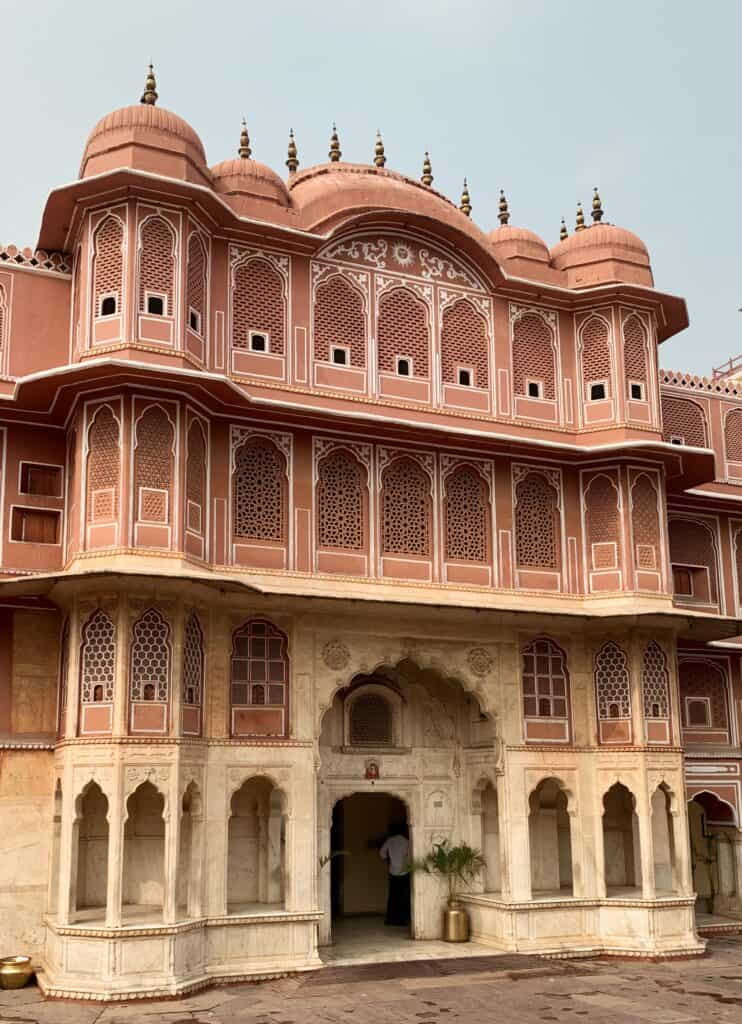
- Most buildings are made of pink and red sandstone, giving Jaipur its famous “Pink City” identity.
- The pink color was introduced in 1876 to welcome Prince Albert, and it became a tradition.
- Rajput Style
- Massive fortifications, intricate jharokhas (overhanging balconies), and courtyards.
- Heavy use of carved stone latticework (jali) and domes.
- Palaces with courtyards for summer and winter use.
- Mughal Influence
- Arched gateways, large gardens (like Mughal charbagh style), and ornate decorations.
- Symmetry in design.
- Blend of European Touches
- Some palaces and civic buildings show European elements like stucco work, stained glass, and clock towers.
Famous Architectural Landmarks in Jaipur
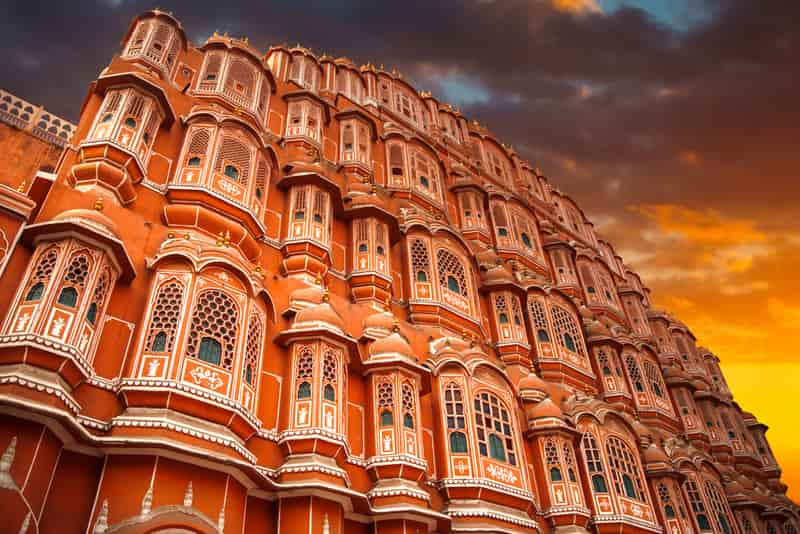
- Hawa Mahal (Palace of Winds): Five-story pink sandstone façade with 953 jharokhas.
- City Palace: Fusion of Rajput and Mughal architecture with courtyards, gardens, and museums.
- Jantar Mantar: Astronomical observatory (UNESCO site) with massive instruments.
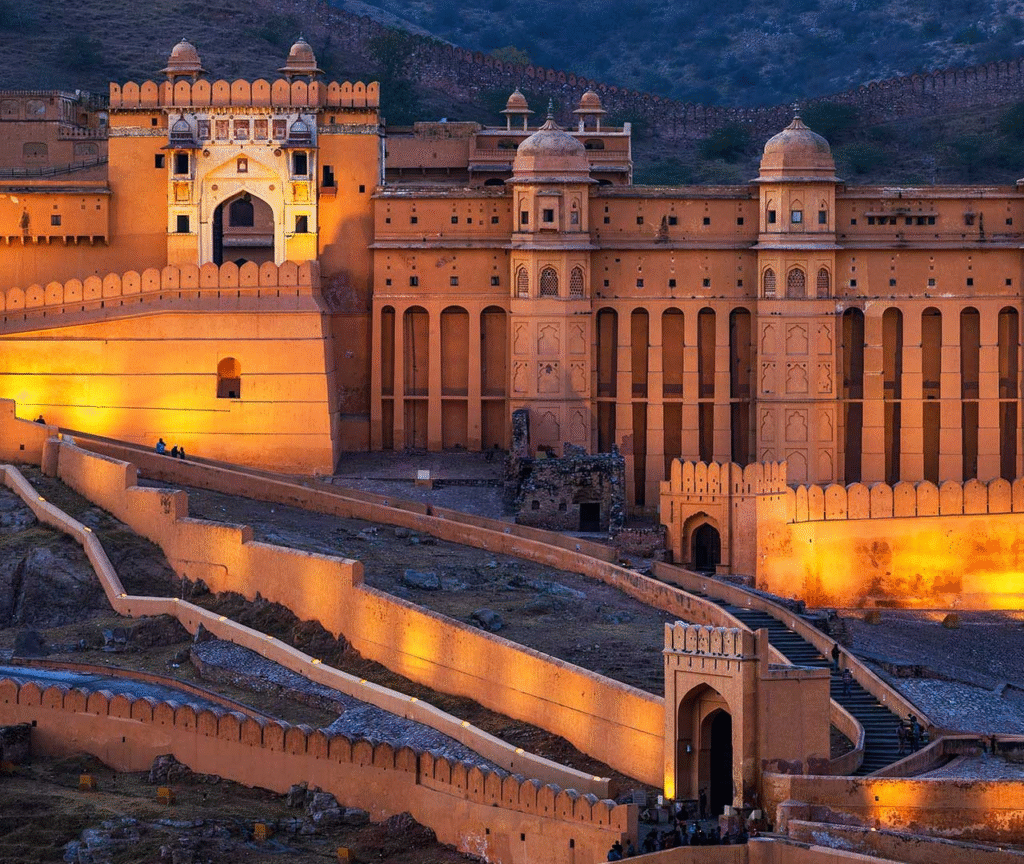
- Amber Fort: Stunning hill fort blending Rajput and Mughal styles.
- Albert Hall Museum: Indo-Saracenic architecture with European influences.
- Jaipur Gates (Ajmeri, Sanganeri, Chandpole, etc.): Majestic gateways to the walled city.
In short, Jaipur’s architecture reflects a harmonious fusion of tradition and innovation — Rajput strength, Mughal elegance, and European modernity — all wrapped in the city’s signature pink sandstone.
Here are some beautiful images of Jaipur architecture:
Jaipur tourist places
Jaipur is packed with beautiful heritage sites, palaces, forts, gardens, and cultural spots. Here’s a list of the most famous tourist places in Jaipur that you should definitely explore:
Forts & Palaces
- Amber Fort (Amer Fort) – Stunning hilltop fort with Sheesh Mahal (Mirror Palace), Ganesh Pol, and elephant rides.
- Jaigarh Fort – Known for the world’s largest cannon on wheels (Jaivana). Offers panoramic city views.
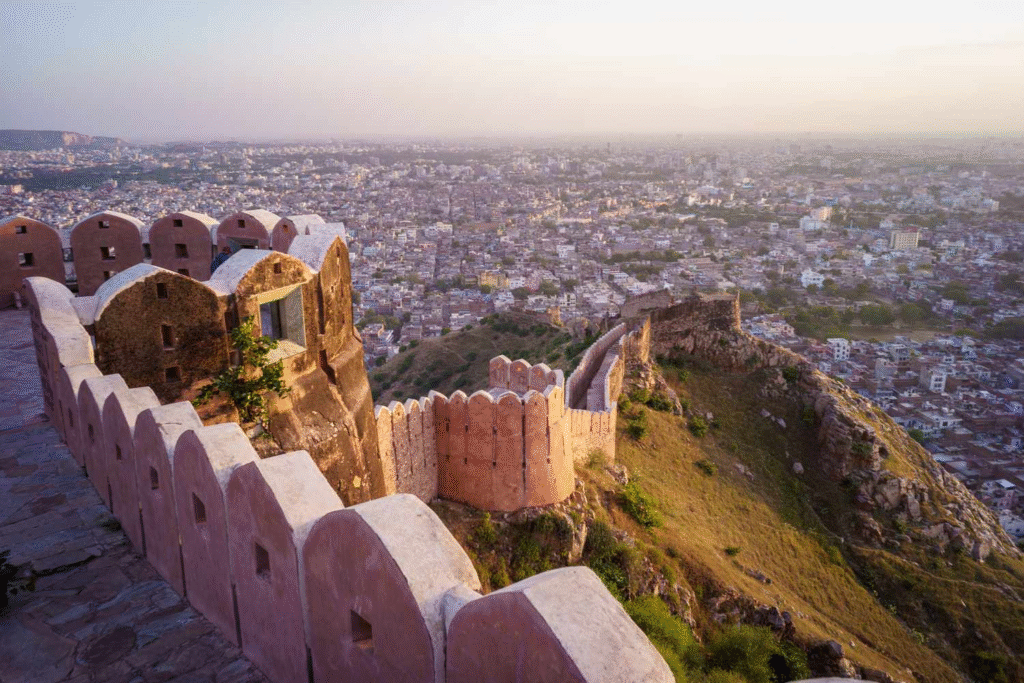
- Nahargarh Fort – Popular for sunset views and Bollywood shooting spots.
- City Palace – A royal residence with museums, courtyards, and Mubarak Mahal.
- Hawa Mahal (Palace of Winds) – Iconic pink façade with 953 windows (jharokhas).
Heritage & Culture
- Jantar Mantar – UNESCO World Heritage astronomical observatory with massive instruments.
- Albert Hall Museum – Indo-Saracenic style museum with artifacts, paintings, and Egyptian mummy.
- Jaipur Walled City & Gates – Explore Pink City’s bazaars (Johari Bazaar, Bapu Bazaar).
Gardens & Temples
- Govind Dev Ji Temple – Famous Krishna temple inside City Palace complex.
- Birla Mandir (Laxmi Narayan Temple) – White marble temple at the base of Moti Dungri hill.
- Sisodia Rani Garden – Mughal-style terraced garden with fountains and murals.
- Kanak Vrindavan Garden – Beautiful landscaped garden near Amer.
Experiences
- Chokhi Dhani – Ethnic Rajasthani village resort with folk dances, puppet shows, camel rides, and traditional food.
- Elefantastic – Elephant sanctuary offering eco-friendly rides, feeding, and painting.
- Jaipur Markets – Perfect for shopping jewelry, textiles, blue pottery, and handicrafts.
Amber fort
Nahargarh Fort
Jantar Mantar
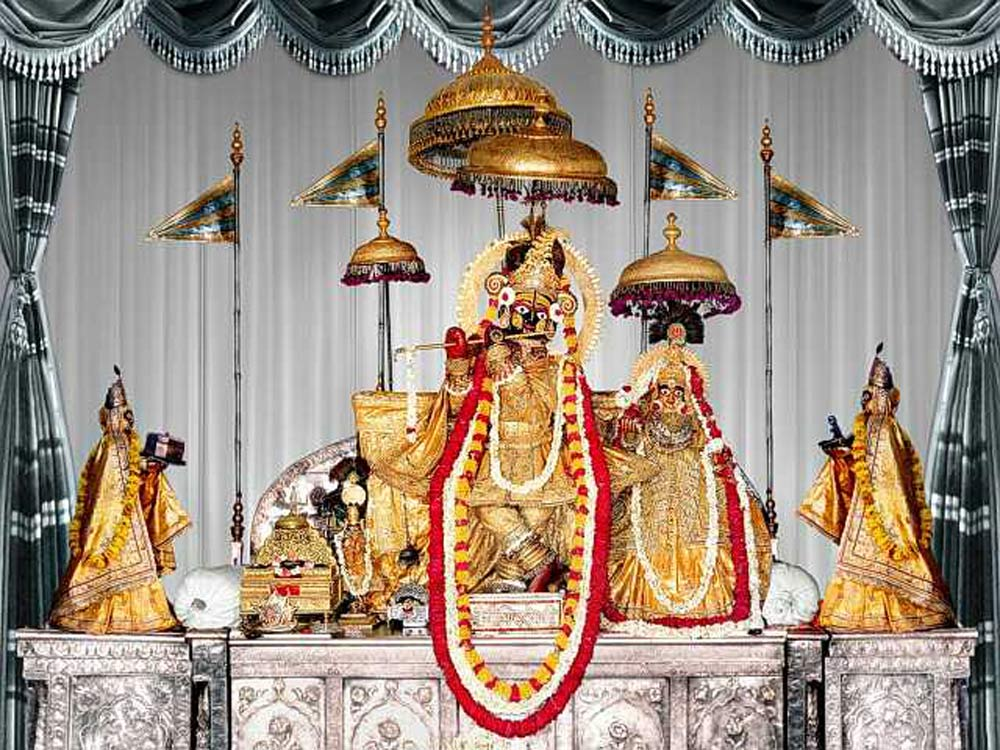
Govind dev ji
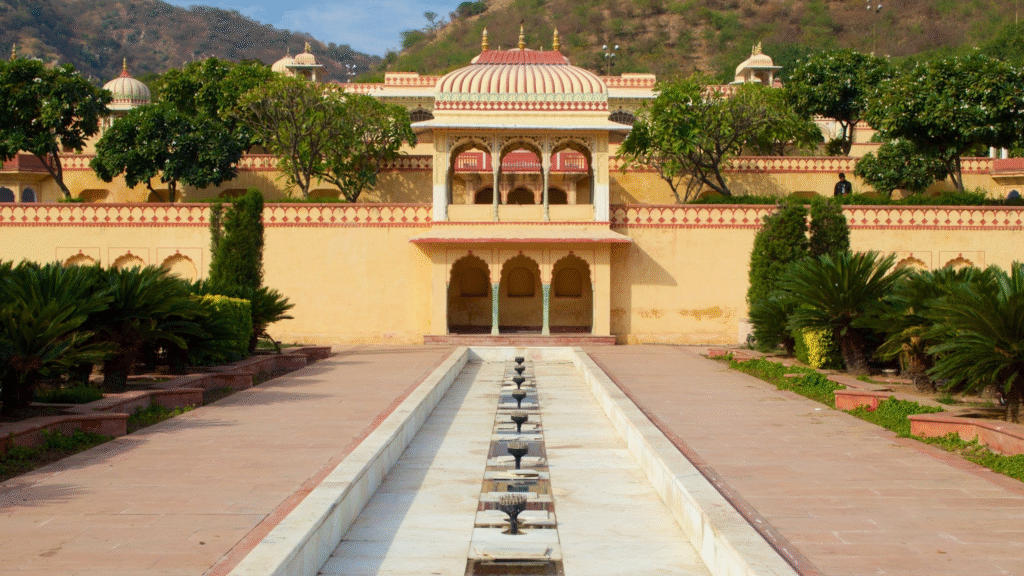
Sisodia rani ka bagh
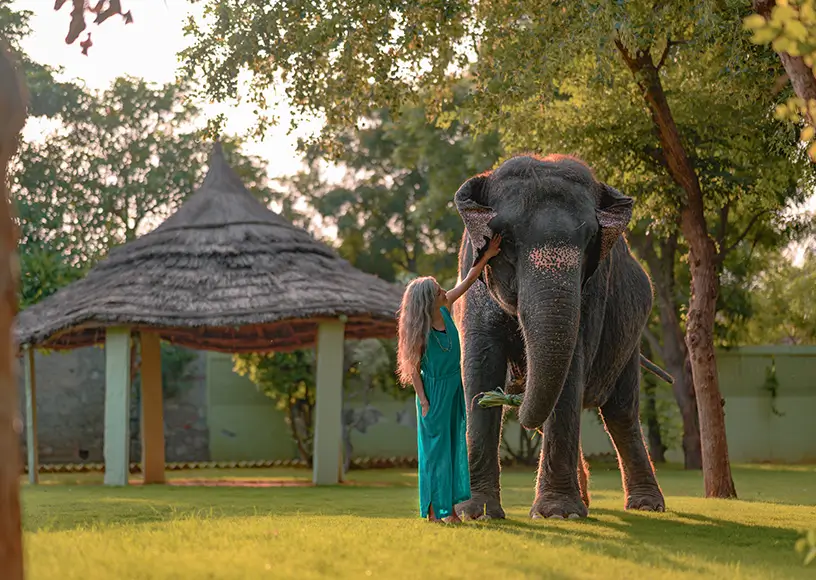
Elefantastic
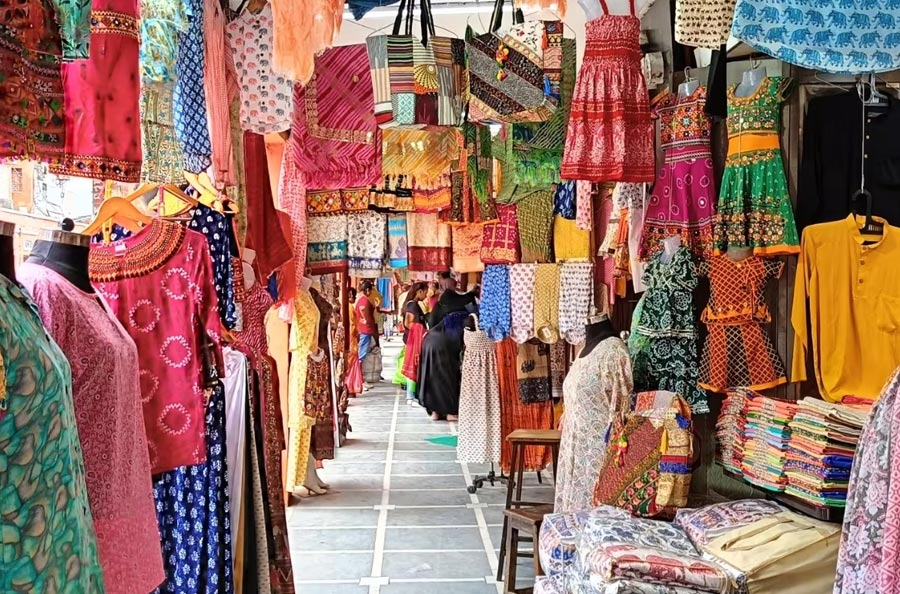
Jaipur market
Links for more Jaipur tourist places:
- Unsplash — Jaipur photos
Free, high-quality photos; good for HD wallpapers etc.
→ Unsplash: Jaipur pictures Unsplash - Pexels — Free Jaipur stock photos
Lots of free-to-use images, scenes of forts, streets, architecture. Pexels - Pixabay — Free-use Jaipur & Rajasthan collection
Has many images including forts, palaces, cityscapes. Pixabay - Getty Images — Jaipur India high-res & stock
Large collection; many images are paid/licensed. Getty Images+1 - Adobe Stock — Jaipur tourism images
Professional stock-images; high resolution. Adobe Stock - Shutterstock — Jaipur historical places
Good for finding specific heritage site photos. Shutterstock - CN Traveller — Photo galleries of Jaipur
Useful for curated photo essays and thematic galleries. CN Traveller
Jaipur Cuisine:
IJaipur is not just famous for forts and palaces — its Rajasthani cuisine is a big attraction too. The food is bold, rich in spices, and deeply tied to desert traditions. Here are some of the best dishes and cuisines you must try in Jaipur:
Must-Try Dishes in Jaipur
| Dish | What It Is | Why It’s Special |
|---|---|---|
| Dal Baati Churma | Hard baked wheat rolls (baati) with lentil curry (dal) and a sweet crumble (churma). | The signature Rajasthani dish — filling, hearty, and full of ghee. |
| Laal Maas | Spicy red mutton curry made with Mathania red chilies. | A royal dish, fiery in flavor and perfect with bajra roti. |
| Ker Sangri | Desert beans and berries cooked with spices. | A traditional dish from arid Rajasthan — tangy, earthy, and unique. |
| Gatte ki Sabzi | Gram flour dumplings in a yogurt-based curry. | Classic vegetarian option, goes well with rotis and rice. |
| Rajasthani Kadhi | Tangy yogurt-based curry with gram flour. | Different from North Indian kadhi, more rustic and spicy. |
| Pyaaz Kachori | Flaky deep-fried snack stuffed with spiced onions. | A Jaipur street-food favorite, best with chutneys. |
| Ghewar | A disc-shaped sweet cake soaked in sugar syrup, often topped with rabri. | A must-have dessert, especially during Teej & festivals. |
| Mawa Kachori | Sweet kachori stuffed with mawa (khoya) and nuts. | A rich dessert unique to Jaipur. |
| Kulhad Lassi | Thick yogurt drink served in clay cups. | Refreshing after spicy food, found at Lassiwala (MI Road). |
Best Places to Eat in Jaipur
Lassiwala (MI Road) → Legendary place for creamy lassi.
Laxmi Mishthan Bhandar (LMB), Johari Bazaar → Famous for sweets, ghewar, mawa kachori, Rajasthani thali.
Chokhi Dhani (Tonk Road) → Cultural village resort, great for an authentic Rajasthani thali experience.
Spice Court, Civil Lines → Known for Laal Maas and other non-veg delicacies.
Rawat Mishthan Bhandar → Best for pyaaz kachori.
Tapri Central (C-Scheme) → Popular café with fusion snacks and chai.
Jaipur Food Tour Guide
Morning – Kickstart with Local Breakfast
- Lassiwala (MI Road) → Famous for Kulhad Lassi (since 1944). Thick, creamy, served in clay cups.
- Rawat Mishthan Bhandar → Have Pyaaz Kachori and Mawa Kachori. Pair it with tea.
👉 Best time: 9–11 AM
Midday – Royal Thali Experience
- Laxmi Mishthan Bhandar (LMB), Johari Bazaar
- Order the Rajasthani Thali: Dal Baati Churma, Gatte ki Sabzi, Ker Sangri, Kadhi, Rotis, Churma.
- Don’t miss Ghewar here.
👉 Best time: Lunch (12:30–2:30 PM)
Evening – Street Food & Snacks
- Masala Chowk (Ram Niwas Garden)
- Open-air food court with stalls of Jaipur’s best street foods.
- Try Gol Gappa, Pav Bhaji, Jalebi, Samosa.
- Tapri Central (C-Scheme)
- Chill café atmosphere, great sunset view.
- Try Tandoori Maggi, Vada Pav, Cutting Chai.
👉 Best time: 5–7 PM
Dinner – Rich Rajasthani Flavors
- Spice Court (Civil Lines)
- Must-try: Laal Maas with Bajra Roti.
- Chokhi Dhani (Tonk Road, outskirts)
- A full cultural experience: folk dances, camel rides, and an authentic Rajasthani Thali served traditionally.
👉 Best time: 8–10 PM
Suggested Route (One-Day Foodie Map)
- Start MI Road (Breakfast – Lassiwala, Rawat)
- Head to Johari Bazaar (Lunch – LMB)
- Ram Niwas Garden & C-Scheme (Evening snacks – Masala Chowk, Tapri)
- End at Civil Lines / Tonk Road (Dinner – Spice Court or Chokhi Dhani)
here are some of the food stops with addresses / map-locations. You can drop these into Google Maps to build your custom route.
Key Stops with Addresses
| Place | Address / Landmark |
|---|---|
| Laxmi Misthan Bhandar (LMB) | 98,-99, Johari Bazar Road, Bapu Bazaar, Biseswarji, Jaipur 302003 Wanderlog+1 |
| Spice Court | Achrol House, Jacob Road (near Hari Mahal Palace Hotel), Civil Lines, Jaipur 302006 nz.jupiteryellowdetail.com+3Cybo+3Zomato+3 |
| Elefantastic (Sanctuary) | Delhi Highway, Kunda, Amer, Jaipur, Rajasthan 302028 elefantastic.in |
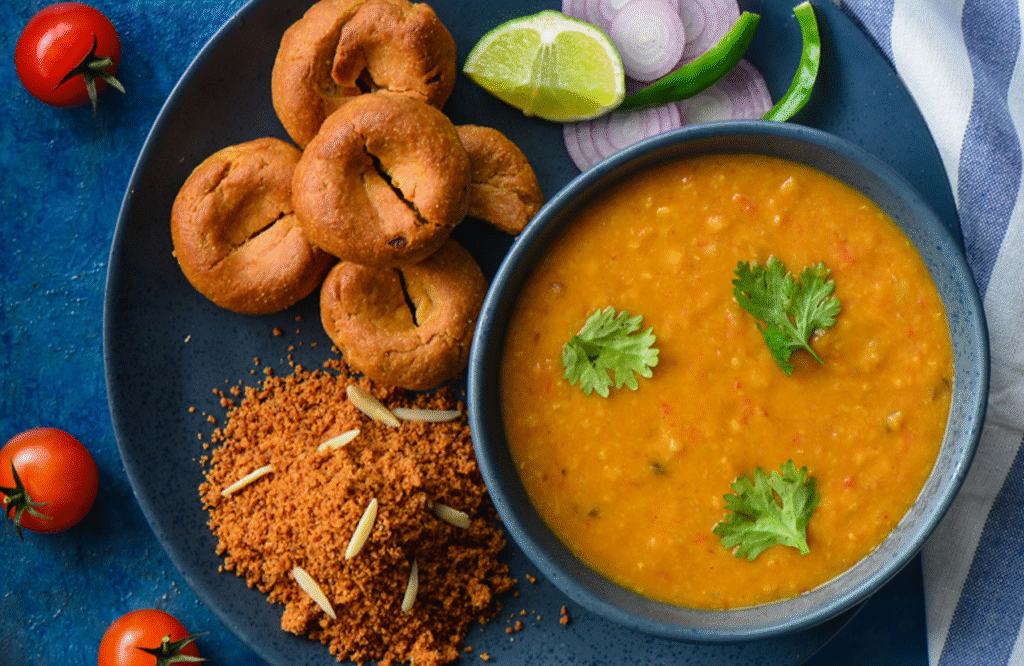
Dal batti churma
Best time to visit Jaipur
The best time to visit Jaipur is October to March 🌸 — pleasant weather, festivals, and perfect for sightseeing.
👉 Avoid April–June (too hot), July–Sept (humid/monsoon).
Conclusion
Jaipur, the Pink City, is more than just palaces and forts — it’s a living blend of history, culture, food, and vibrant colors. From royal architecture to bustling bazaars and soulful cuisine, every corner has a story to tell. A trip here is not just travel, but an unforgettable experience that stays with you long after you’ve left.