Nestled in the misty hills of Northeast India, Meghalaya is a paradise where clouds kiss the mountains, waterfalls rush with musical rhythm, and nature unfolds its beauty at every turn. Known as the “Abode of Clouds,” Meghalaya is perfect for travelers who love adventure, culture, food, and serenity.
Whether you are a nature lover, a photographer, or someone seeking peace away from city noise, Meghalaya promises an unforgettable experience.
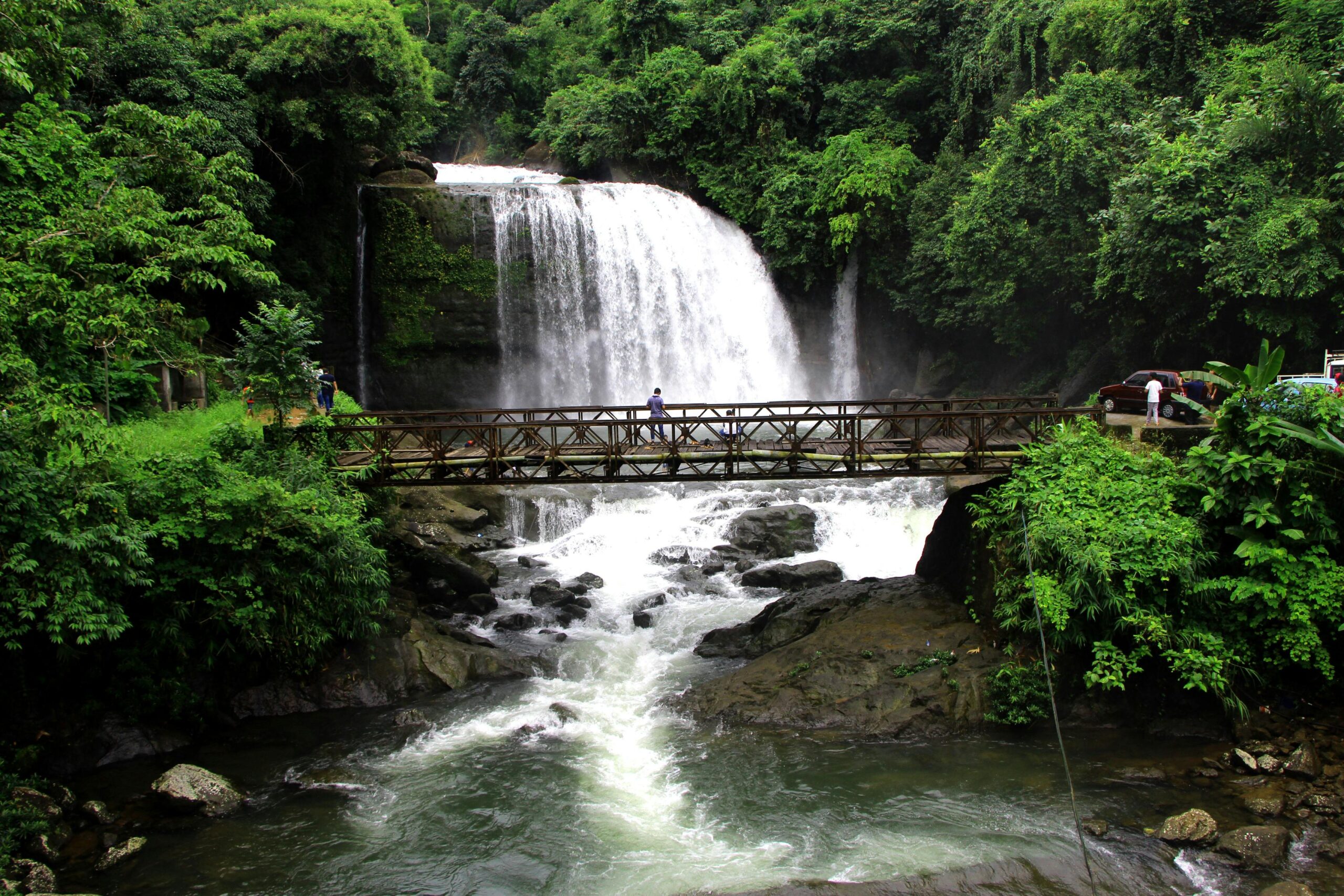
History of Meghalaya—The Land of Clouds and Ancient Tribes
Meghalaya, meaning “Abode of Clouds,” is a land rich in culture, legends, and ancient traditions. Its history goes far beyond modern times, shaped by the Khasi, Garo, and Jaintia tribes who have lived here for thousands of years. From ancient kingdoms to British rule and then statehood, Meghalaya’s past is colorful and unique.
Ancient History—Home of Indigenous Tribes
The earliest inhabitants of Meghalaya were the Austro-Asiatic tribes, mainly:
- Khasi
- Jaintia
- Garo
These tribes are believed to have migrated from Southeast Asia long ago. Their culture, language, and traditions are very distinct from the rest of India.
Key Features of Ancient Meghalaya:
- Matrilineal society – family lineage and property pass through the mother.
- Strong village administration through chiefs and councils.
- Deep connection with nature—forests, rivers, and hills were considered sacred.
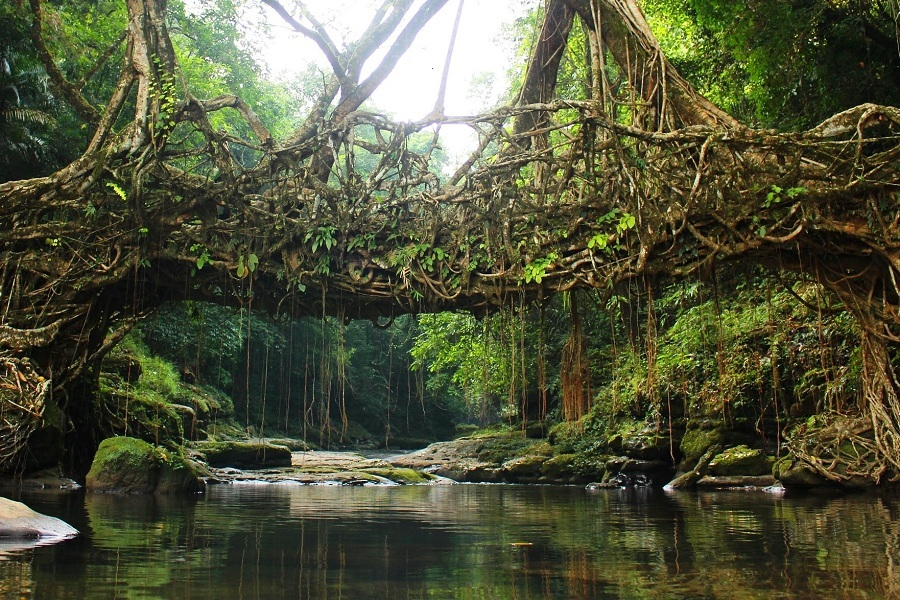
- Living Root Bridges—built centuries ago by Khasi tribes using the roots of rubber trees.
Medieval Period – Khasi & Jaintia Kingdoms
Between the 16th and 18th centuries, powerful hill kingdoms ruled the region:
Khasi Kingdoms
- Independent hill states with local chiefs called Syiems.
- Governed under the Syiemship system—democratic in nature.
- Maintained trade links with Assam and Bengal.
Jaintia Kingdom
- Ruled by the Jaintia kings with capitals at Nartiang (Meghalaya) and Jaintiapur (now in Bangladesh).
- The kingdom controlled plains and hills.
- Known for its monoliths, temples, and ancient rituals.
Garo Hills kingdoms
- Had chieftain-based systems called Nokmas.
- Known for bravery, martial traditions, and unique festivals.
British Era (1824–1947)
The British arrived in the early 19th century.
Key historical points:
- In 1824, the British tried to expand into the Khasi hills, leading to resistance from Khasi chiefs.
- U Tirot Sing, the Khasi freedom fighter, led a strong revolt against the British from 1829 to 1833.
- The British eventually took control, and Meghalaya became part of Assam under colonial rule.
Post-Independence: Struggle for Identity
After India’s independence in 1947:
- Meghalaya remained part of Assam, but the tribal communities wanted autonomy.
- In 1960, the “Hill State Movement” started.
- The leaders demanded a separate state to protect their culture and identity.
Formation of Meghalaya (21 January 1972)
Meghalaya became a full-fledged Indian state on 21 January 1972.
It was carved out of:
- Khasi Hills
- Garo Hills
- Jaintia Hills
Meghalaya became India’s 21st state.
—AModern Meghalaya – A Blend of Tradition and Growth
Today, Meghalaya is known for:
- Strong tribal traditions
- Matrilineal society
- Eco-friendly living
- Root bridges and natural wonders
- Vibrant festivals
- Peaceful lifestyle
The state continues to preserve its cultural roots while growing in education, tourism, and infrastructure.
Conclusion
Meghalaya’s history is a story of ancient tribes, brave warriors, unique culture, and a long struggle to preserve identity. From its prehistoric roots to becoming a modern Indian state, Meghalaya has always stood out as a land of beauty, tradition, and resilience.
Why Visit Meghalaya?
- Misty hills & lush greenery throughout the year
- Asia’s cleanest village—Mawlynnong
- Living root bridges—nature’s engineering marvel
- Magical waterfalls & caves
- Unique Khasi, Garo & Jaintia cultures
- Pleasant weather all year
Top Places to Visit in Meghalaya
1. Shillong – The Scotland of the East
A charming hill station wrapped in pine forests, colonial architecture, lively markets, and beautiful viewpoints.
Must-visit places:
- Ward’s Lake
- Elephant Falls
- Laitlum Canyon
- Shillong Peak
- Don Bosco Museum
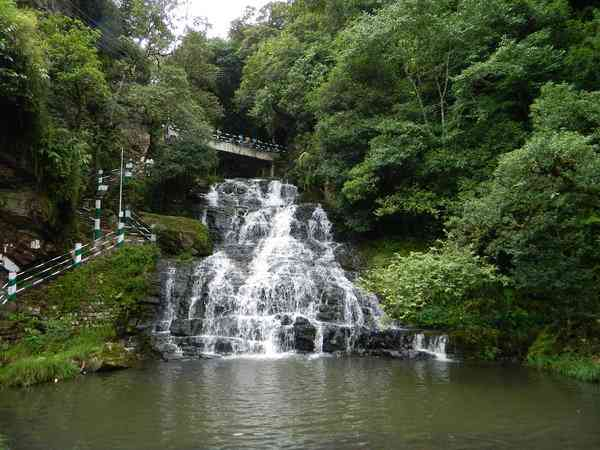
2. Cherrapunji (Sohra)
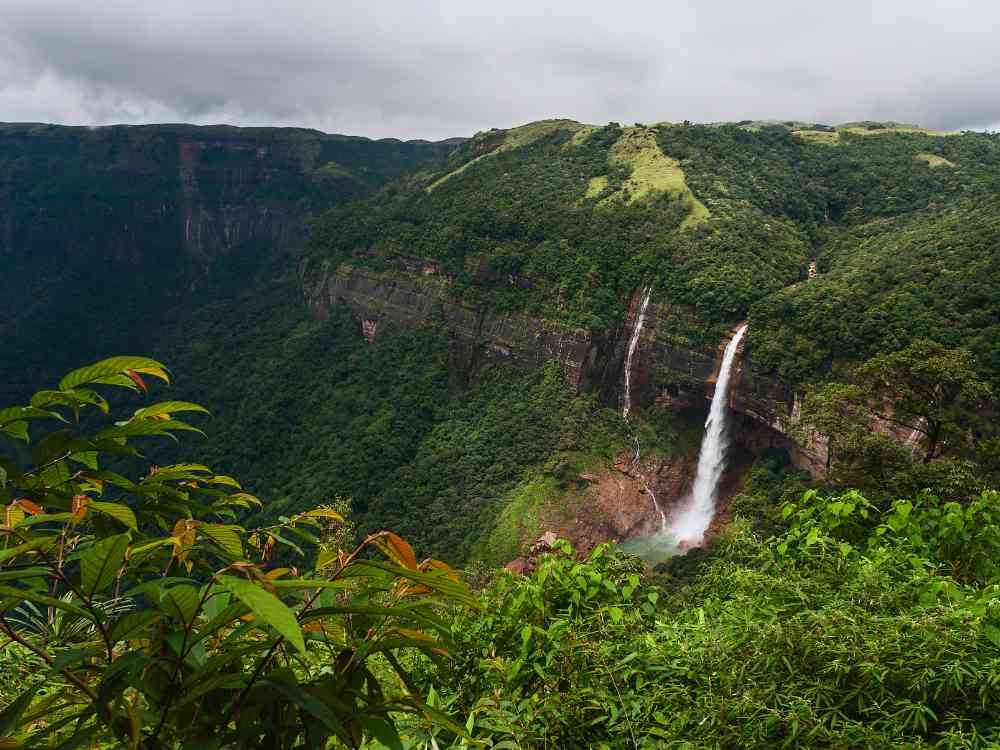
Once known as the wettest place on Earth, Cherrapunji is a land of rain-soaked cliffs and dramatic landscapes.
Highlights:
- Nohkalikai Falls (India’s tallest plunge waterfall)
- Mawsmai Cave
- Seven Sisters Falls
- Eco Park
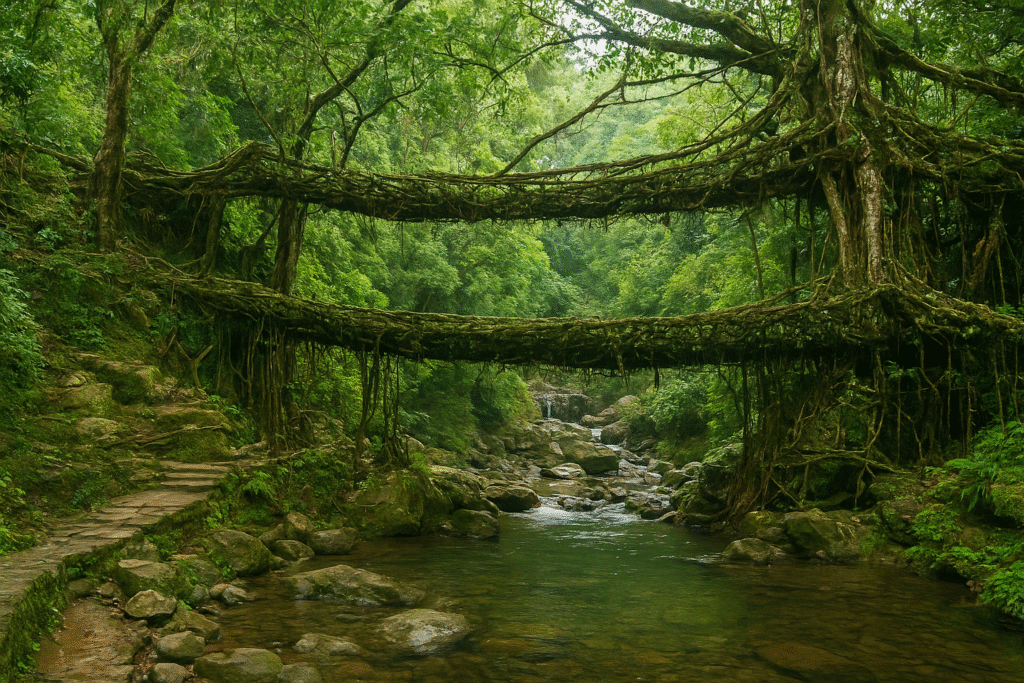
3. Nongriat – Home of the Double Decker Living Root Bridge
A trekker’s dream! The iconic Double Decker Root Bridge is crafted naturally by weaving roots of rubber trees over decades. The journey down 3500+ steps tests your stamina but rewards you with heavenly views.
4. Dawki & Umngot River
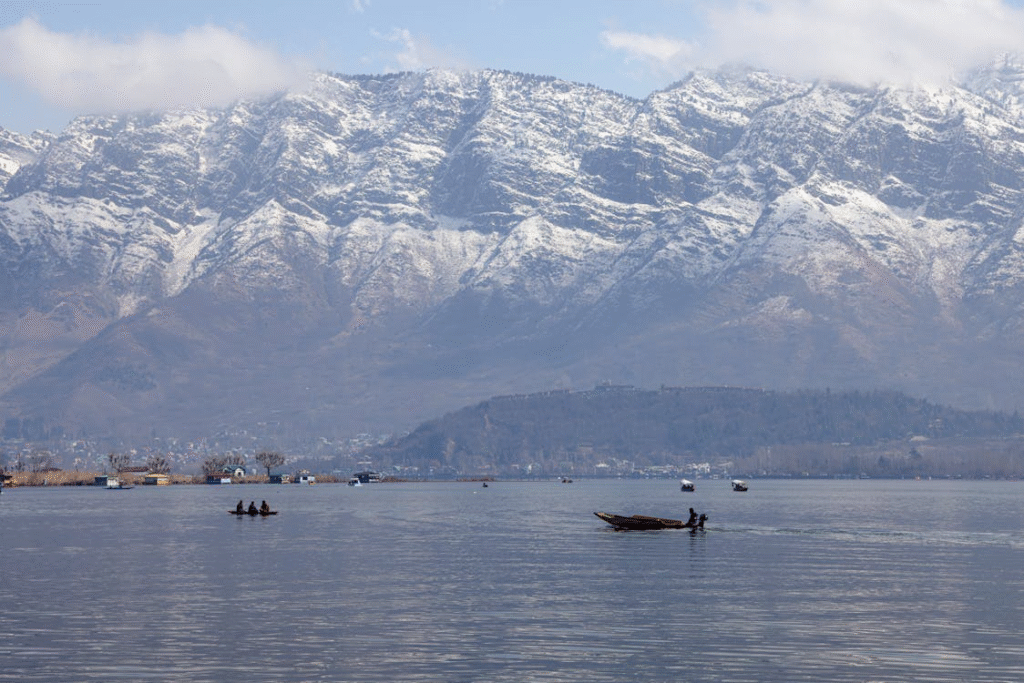
Known for its crystal-clear emerald water, Dawki feels like a painting. The Umngot River is so clean that boats appear to float on air. Perfect for boating, camping, and photography.
5. Mawlynnong—Asia’s Cleanest Village
A shining example of community cleanliness and eco-living.
Don’t miss:
- Living Root Bridge (nearby)
- Sky View Point overlooking Bangladesh plains
6. Jowai
Peaceful landscapes, refreshing lakes, and sacred sites.
Must visit:
- Krang Suri Waterfalls
- Thadlaskein Lake
- Nartiang Monoliths
Food of Meghalaya—What to Try
Meghalaya’s cuisine is simple, earthy, and full of flavor.
- Jadoh—Red rice cooked with spices
- Dohneiiong—Pork in black sesame curry
- Tungrymbai – Fermented soybean dish
- Putharo & Dohjem – Traditional rice cake with meat
Tea lovers can’t miss sipping Meghalaya’s aromatic local teas.
Best Time to Visit Meghalaya
October to April is the ideal time—pleasant weather, clear skies, and comfortable travel.
If you love rain and mist, the monsoon (June–September) offers a magical experience but with slippery roads.
How to Reach
- Nearest airport: Shillong (Umroi) or Guwahati (best connectivity)
- From Guwahati, Shillong is a 3–4 hour scenic drive.
Travel Tips for Meghalaya
✔ Carry comfortable walking shoes
✔ Keep a waterproof jacket & umbrella
✔ Respect local culture and environment
✔ Pre-book taxis or shared cabs in peak season
✔ Cash is recommended in remote areas
Conclusion – Why Meghalaya Should Be on Your Travel Bucket List
Meghalaya is more than a destination—it’s an experience of nature’s purest beauty. The floating rivers, whispering forests, root bridges, waterfalls, and warm-hearted people make it a place where every traveller finds peace and adventure.
If you want a break from the ordinary, Meghalaya welcomes you with open arms—and endless clouds.
High-Authority Backlink Suggestions for Meghalaya Tourism
1. Official Meghalaya Tourism Website
Anchor Text: Meghalaya Tourism Official Website
Backlink: https://www.meghalayatourism.in/
2. Government of Meghalaya – Tourism Department
Anchor Text: Department of Tourism, Meghalaya
Backlink: https://meghalaya.gov.in/tourism
3. Incredible India – Meghalaya Page
Anchor Text: Incredible India – Meghalaya Travel Guide
Backlink: https://www.incredibleindia.org/content/incredible-india-v2/en/destinations/meghalaya.html
4. TripAdvisor – Meghalaya Travel Info
Anchor Text: Meghalaya Tourism on TripAdvisor
Backlink: https://www.tripadvisor.in/Tourism-g297577-Meghalaya-Vacations.html
5. Wikipedia (for reference credibility)
Anchor Text: Meghalaya – History, Culture & Tourism
Backlink: https://en.wikipedia.org/wiki/Meghalaya
Sample Backlink Paragraph for Your Blog
You can copy–paste this into your article:
“For more detailed travel updates and official guidelines, you can also check the Meghalaya Tourism Official Website. Travellers planning their visit can explore attractions, itineraries, and cultural experiences on the Incredible India Meghalaya page